When fibre work stops being plug-and-play
Not every fibre problem can be solved with a new patch lead. Sometimes a route changes after the design is approved. Sometimes a fibre is damaged during ceiling work. Sometimes a cabinet moves, a backbone needs extending, or a field termination has to be cleaned up before handover. At that point, the job needs splicing, not improvisation.
That is where fusion splicer rental makes sense. You may not need a splicer every week, but when you need one, the work is usually urgent. The fibre route is blocking a network handover, a camera path, a building link, an event backbone or a production circuit. Waiting for another contractor to become available can cost more than renting the right kit and finishing the job.
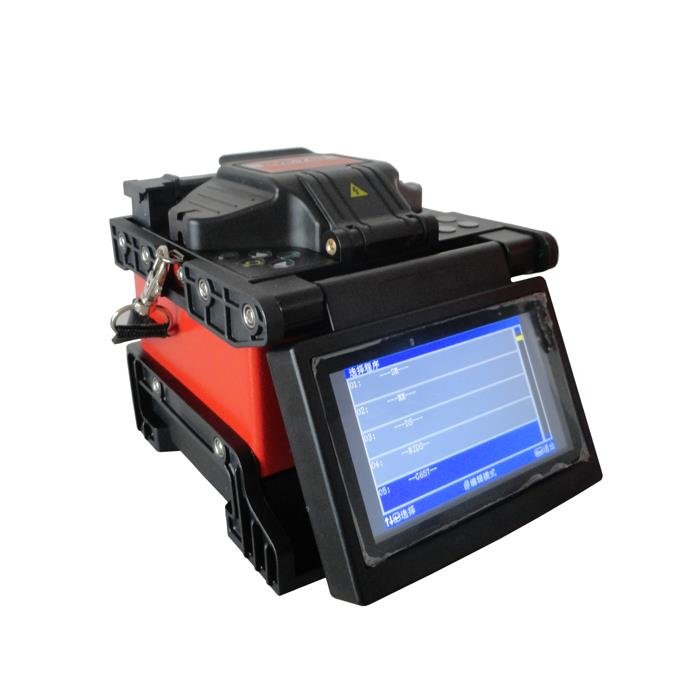
The Fujikura fusion splicer kit is built for that kind of field work. It gives the team the splicer, cleaver, heat-shrink oven, battery and carry case needed to make proper fibre joins on site instead of relying on temporary fixes.
What fusion splicing actually solves
Fusion splicing joins two fibre ends by aligning and fusing them with an electric arc. Done properly, the result has very low loss and behaves like a clean continuation of the fibre route. That is a different standard from a mechanical join or a patch-based workaround.
The quality matters downstream. A poor splice may seem acceptable during a quick test and still create loss, reflection or intermittent behaviour later. On longer singlemode routes, CCTV backbones, access control paths, broadcast networks and campus links, those small losses add up.
A good splice is boring in the best possible way. It disappears into the fibre plant and lets the network behave as expected.
When to rent a fusion splicer
Rent a fusion splicer when fibre has been damaged and needs repair, when a route has to be extended, when a termination has to be rebuilt, or when a temporary venue build needs a clean fibre path without waiting for a specialist subcontractor to mobilise.
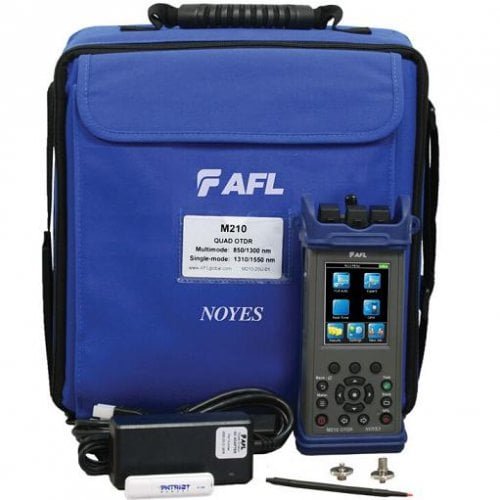
It also makes sense during handover week. If an OTDR trace shows a bad splice or a route problem, the team can move directly from diagnosis to repair instead of booking a second visit. That is why the splicer often belongs near the OTDR during mixed fibre work.
For event IT, the case is even sharper. Temporary venue networks often depend on fibre backbones that carry press, CCTV, production, ticketing, command centre and broadcast-adjacent traffic. A damaged fibre path during build week is not a minor inconvenience. It is a schedule risk.
What should come with the kit
The splicer is only one part of the workflow. A useful rental kit needs the cleaver, electrodes, heat-shrink oven, sleeves, power adapter, battery and carry case. The cleaver is especially important because splice quality starts before the arc. A poor cleave creates a poor splice, even on a good machine.
Battery runtime matters when the repair is in a riser, a ceiling area, an outdoor cabinet or a temporary site with limited power. The kit should be ready for field use, not only bench use.
Ask about consumables before the booking is confirmed. Sleeves, cleaning supplies and spare electrodes are small items until they are missing. Then they become the reason the job waits.
Who should operate it
A fusion splicer is not difficult for a trained fibre technician, but it is not a tool for guesswork. Fibre preparation, cleaning, cleaving, alignment, heat-shrink protection and post-splice testing all matter. If your team has the skill, dry hire is fine. If the job is high pressure, book engineering support with the rental.
This is especially true for client handover or critical links. The cost of a poor splice is not the splice itself. It is the future fault, the return visit and the uncertainty it creates around the rest of the fibre plant.
Pairing it with testing equipment
The best workflow is diagnosis, repair, validation. Use the OTDR to locate the fault or confirm the route issue. Use the fusion splicer to repair or extend the fibre. Then test again and save the evidence. Skipping the final validation turns a repair into a hope.
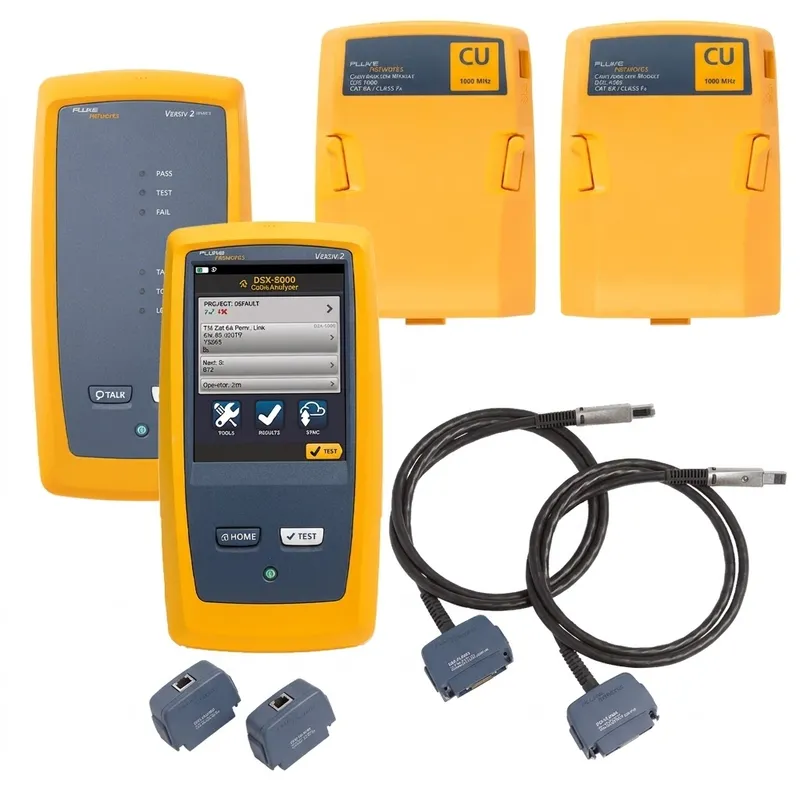
For mixed copper and fibre projects, the full network testing kit can be easier than booking tools one by one. Copper certification, fibre tracing and fibre repair often collide in the same handover window.
Bottom line
Rent a fusion splicer when the fibre plant has to be repaired or changed properly, not patched around. The right kit lets the team make clean joins, protect the splice, test the result and keep the project moving. On a site under pressure, that is the difference between a workaround and a fix.